Discipline of Plant Biology

Japanese
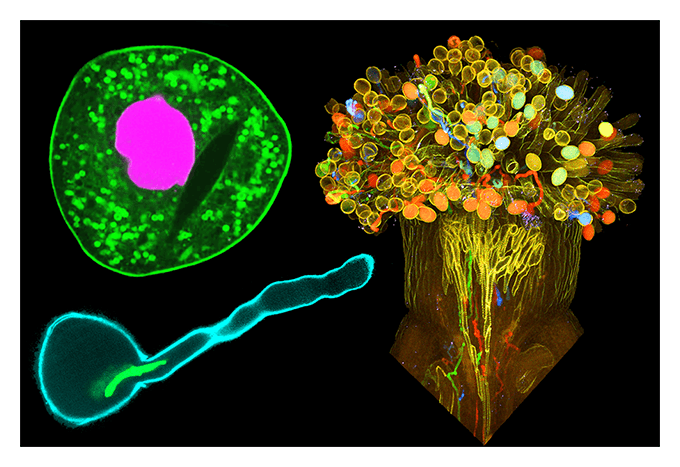
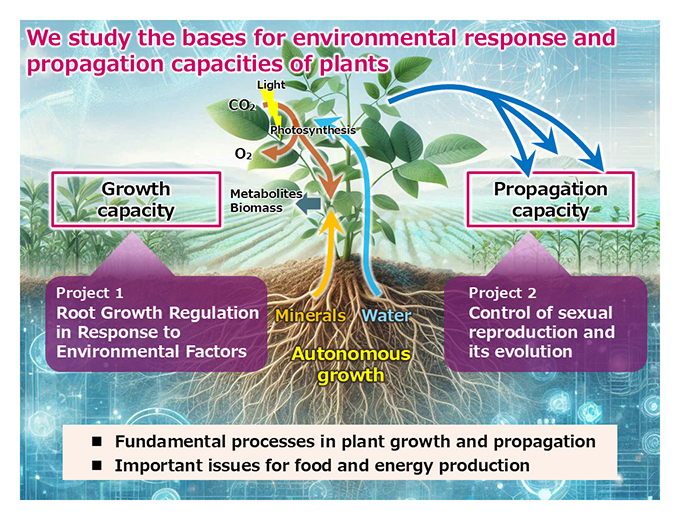
We investigate how plants optimize their growth and morphology in response to fluctuating environments, as well as how they adapt through sexual reproduction by generating diverse offspring. By combining our unique live-imaging technologies with genome-wide approaches and AI-based image analysis, we elucidate the mechanisms that maximize plant growth and reproductive capacity.

Topics

  1. How plants optimize their morphology and growth in response to environmental stimuli
  2. How sexual plant reproduction is achieved to enhance environmental adaptability
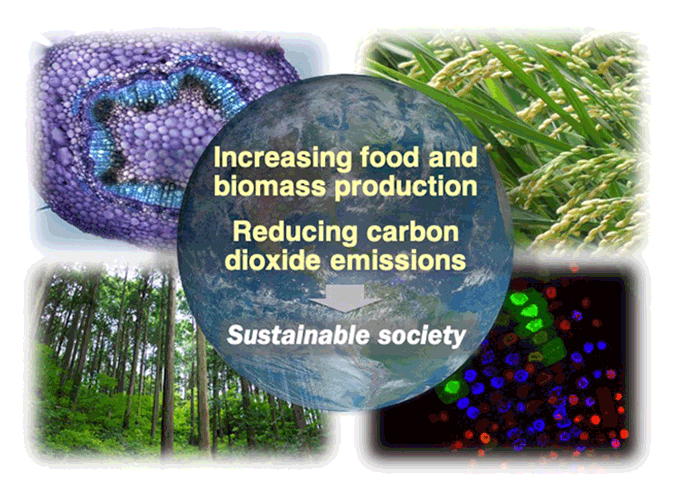
A variety of initiatives are underway to build a sustainable society. In this context, expectations for the improvement of productivity and effective utilization of plant-derived biomass, such as wood, have been increasing. In the Laboratory of Plant Metabolic Control, we are mainly interested in the mechanisms, physical properties, and mechanical properties of woody biomass production control and their practical applications to plants and structural buildings.

Topics

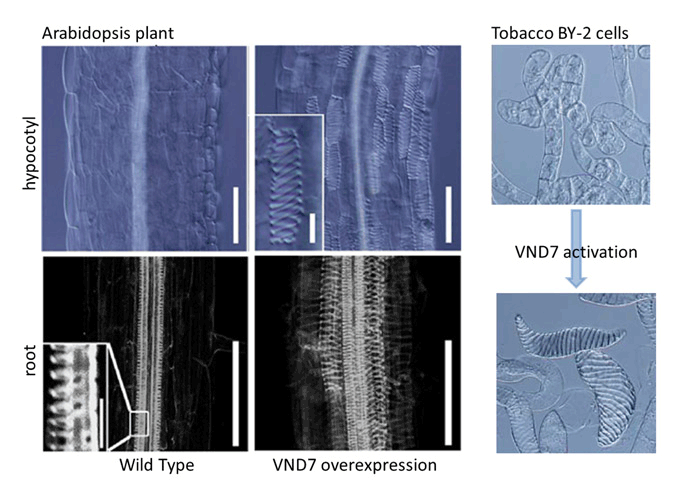
  1. Molecular mechanisms governing xylem cell differentiation
  2. Mechanism of plant mechanical optimization system
  3. Development of Core Technologies for the Social Implementation of Autoluminescent Plants
Plant Growth Regulation

Masaaki Umeda

Prof.Umeda
Plants continuously grow under fluctuating environments and produce organs throughout their life. We aim to understand the mechanisms that control organ size and stress response, and to develop novel technologies for increasing plant biomass, thereby contributing to increasing carbon dioxide absorption and solving food and environmental problems.

Topics

  1. Mechanisms for maintaining tissue and genome integrity
  2. Mechanisms for suppressing cell division in response to environmental stress
  3. Development of technologies to increase woody biomass production
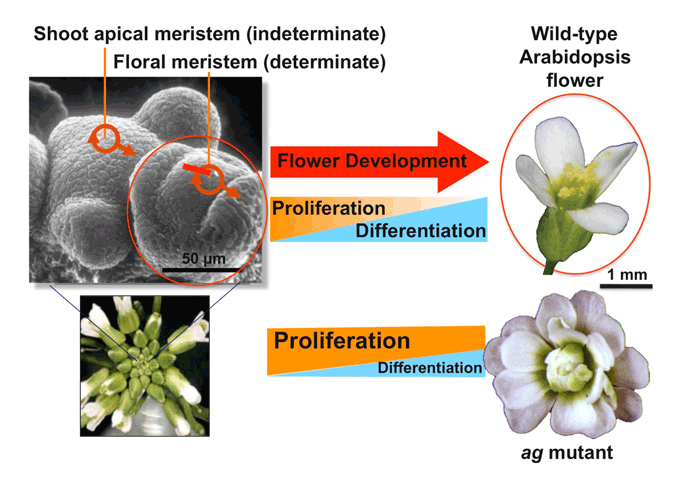
Making Nara Institute of Science and Technology the center of flower development research in Japan!
The grains and fruits that we eat every day are all the products of flowers. Let's cherish the spirit of feeling the wonder of nature, and together, let's send out into the world the most interesting and useful results of flower research.

Topics

  1. Proliferation, differentiation and senescence of floral stem cells
  2. Environmental response, memory and resetting in plants
  3. Epigenetic regulation in sexual reproduction
Plant Physiology

Motomu Endo

Prof.Endo
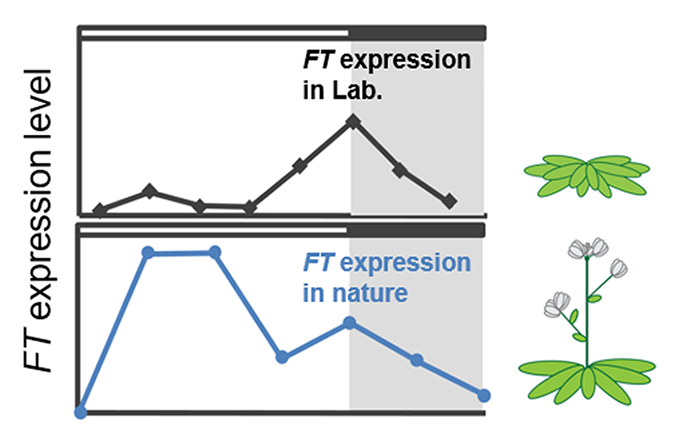
Do you know how plants measure time and seasons? Would you like to know?
In addition to understanding how plants measure time and seasons, you will also discover how they use such information to thrive.

Topics

  1. Elucidating the mechanisms of flowering at specific timings: From seasonal to multi-decade scales
  2. Mechanisms and significance of long-distance transmission of time information
  3. Comprehensive analysis of oscillating genes using bioinformatics
Plant Immunity

Yusuke Saijo

Prof.Saijo
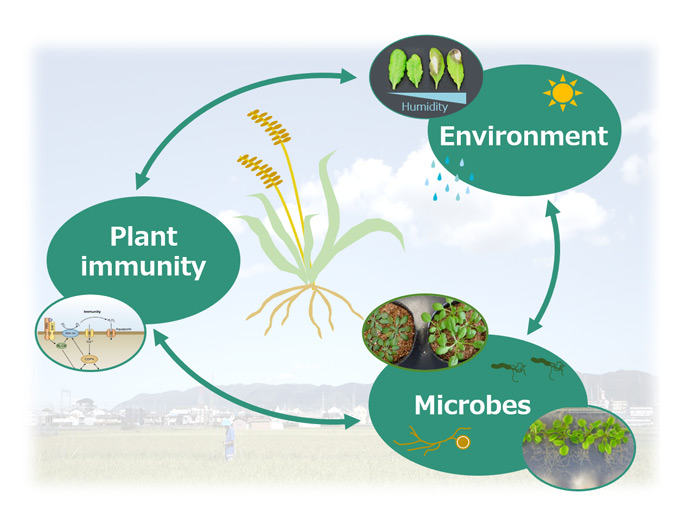
Plants need to protect themselves from pathogens while adapting to changing environments with the help of mutualistic microbes. We will elucidate the plant immune system making this possible and the infection strategies of microbes that have co-evolved with this system. We will also utilize our research outcomes in promoting environment-friendly agriculture.

Topics

  1. Environment and context-dependent regulation of immune system in plants
  2. Infection strategies and regulatory mechanisms of mutualistic and pathogenic microbes
  3. Molecular host-microbe communications underlying symbiosis and microbiome assembly
  4. Harnessing plant-associated mutualistic microbes for sustainable agriculture
Plant Symbiosis

Satoko Yoshida

Prof.Yoshida Satoko
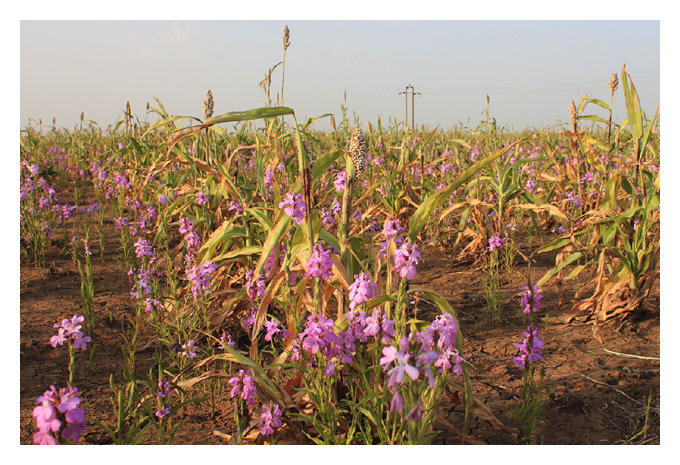
Parasitic plants cause significant agricultural damage in several parts of the world. We aim to reduce agricultural damage caused by parasitic plants by elucidating the molecular mechanisms of parasitism via genetic studies using model parasitic plants and cell biological research methods. We also study the interactions of plants with other disease organisms and symbiotic microorganisms. We welcome people who want to study the mysteries of living things.

Topics

  1. Identification of genes involved in haustorium formation
  2. Plant-plant communication via small-molecular weight compounds
  3. Comparative genomics of parasitic plants
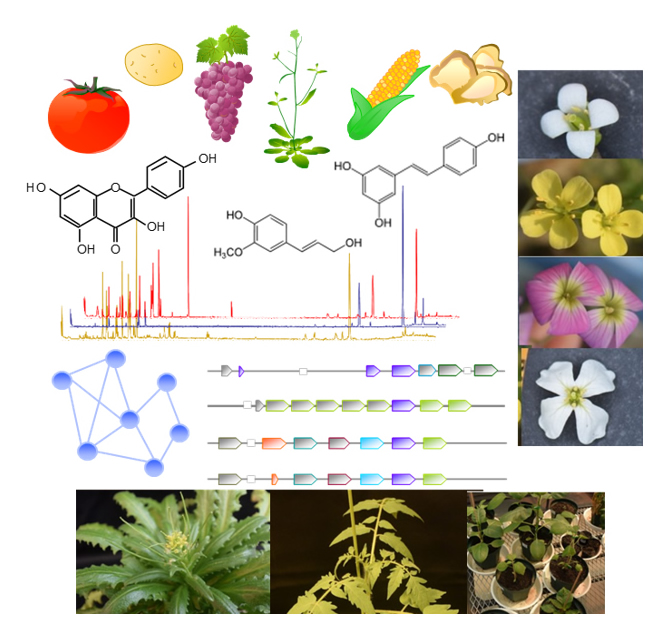
What are the mechanisms by which plants produce various metabolites? We are conducting research to identify the genes involved in the diversity of plant secondary metabolites widely distributed in nature and to elucidate their functions.

Topics

  1. Functional genomics approach by omics-based translational analysis
  2. Cross species comparison of the neo-functionalized genomic region
  3. Regulation of metabolic networks during nutritional stresses
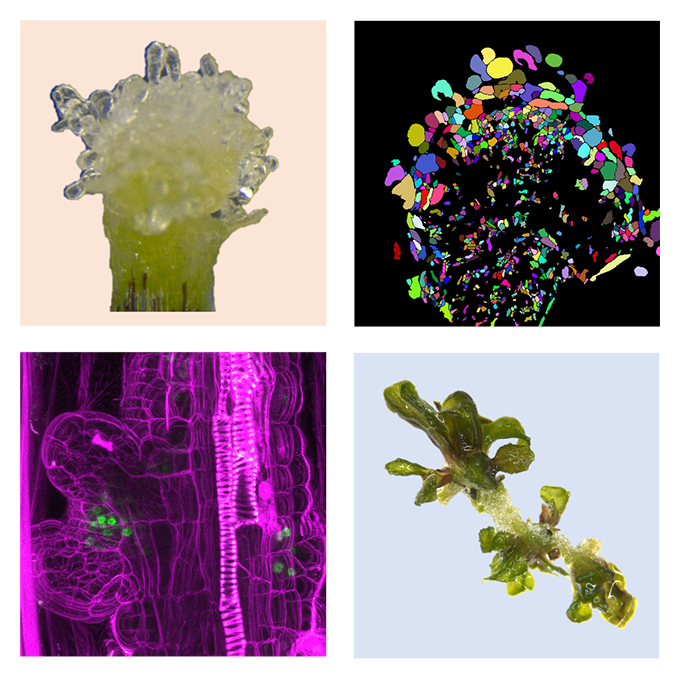
Why can plants readily regenerate their bodies upon injury? We pursue the secrets of plants’ regenerative capacity using molecular genetics, live imaging and single cell transcriptome analyses. If you are passionate about developmental biology and like new challenges, we are here for you!

Topics

  1. Mechanisms of tissue repair and grafting
  2. Developmental mechanisms underlying shoot regeneration
Hidden deep inside even the tiniest flowers are the elegant designs of life and the dramatic stories of male and female cells. Using imaging and genetic techniques, we are studying how reproductive cells develop and how efficient fertilization increases seed production. Join us in discovering breathtaking sights through a microscope that no one has ever seen before!

Topics

  1. Regulatory mechanisms of pollen development and differentiation
  2. Molecular mechanism of polyspermy block
  3. "Design" of plant reproductive engineering